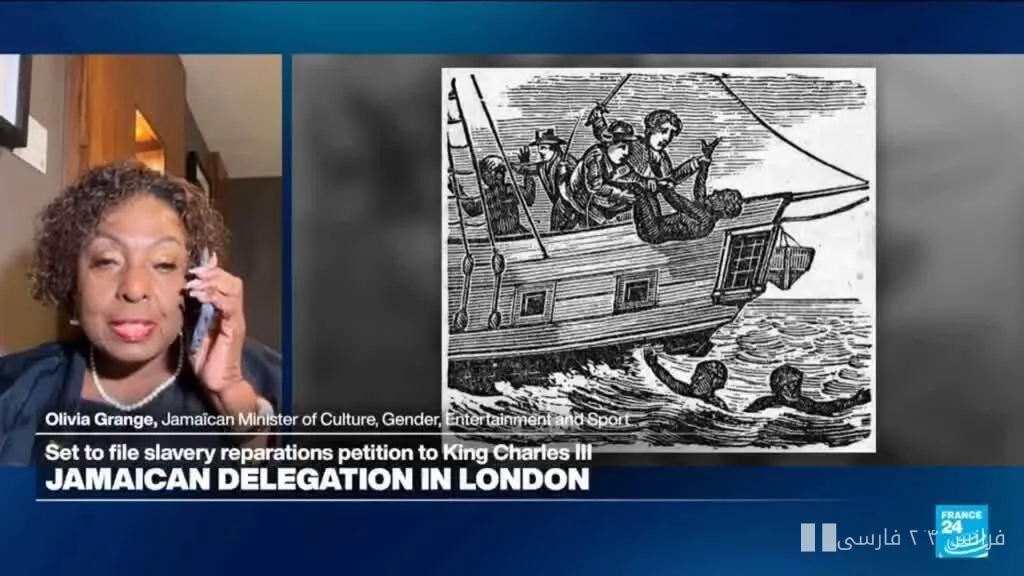
In a bold and historic move, Jamaica is exploring the legal dimensions of slavery and the forced displacement of Africans. The country's Minister of Culture, Gender, Entertainment and Sport, Olivia Grange, recently announced that Jamaica's reparations plan has shifted its focus from political discussions to legal responsibilities.
Legal Challenges Against History
Grange emphasizes that the first question that must be answered is: Was the enslavement of Africans in Jamaica ever legal? By posing this question, she takes a deeper look at Britain's historical and legal responsibilities regarding cultural and human genocide during the colonial era.
This request has been submitted to King Charles III, as the King of Jamaica, under a legal case. In this request, three key questions are referred to the Privy Council, which include: legal aspects under English law, international laws, and Britain's potential responsibilities in providing reparations.
Steps Towards Justice
This initiative is seen not only as a legal action but also as a cultural and historical statement. Jamaica, through this effort, aims to draw global attention to the misrepresented historical legacy and to engage in a process of healing and reparations. This initiative could serve as a model for other countries seeking to examine their colonial history and its responsibilities.
Given these key questions and the legal challenges ahead, it seems that Jamaica is on an important and pivotal path. The future of this discussion could have profound impacts on international relations and the global understanding of colonial history and its repercussions.