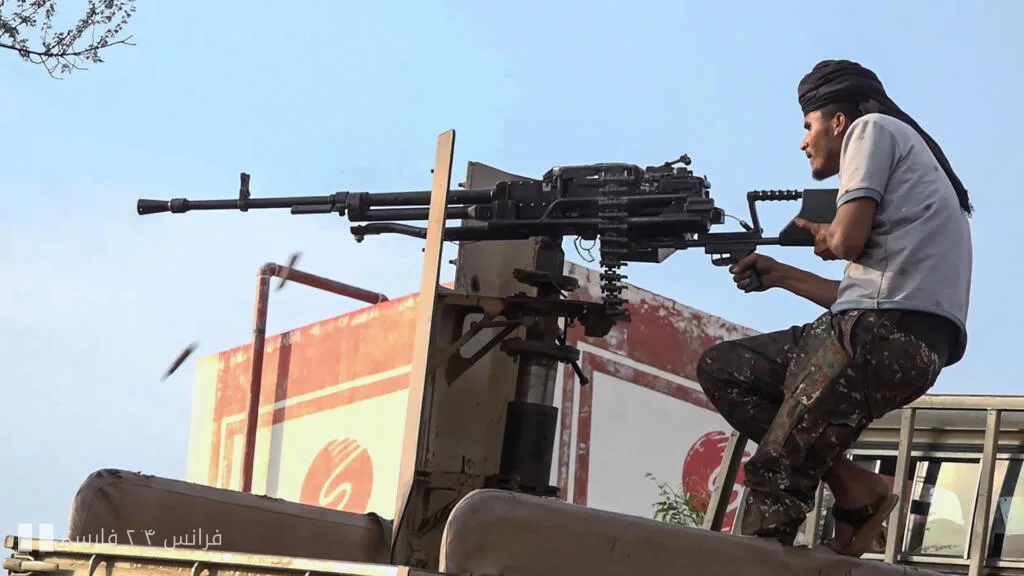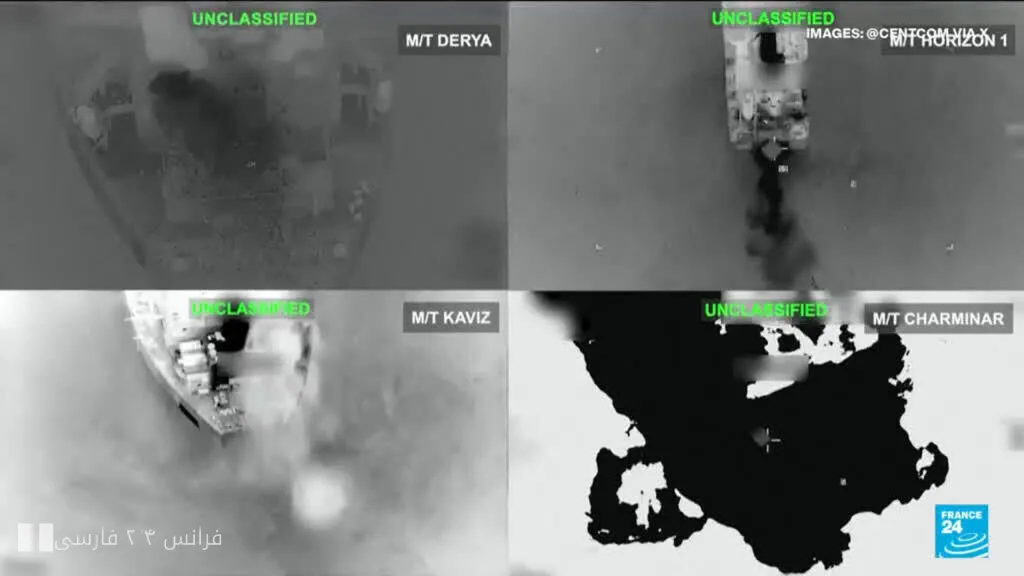
Tensions in the Middle East, especially in the Strait of Hormuz, have significantly escalated. On Wednesday, Iran responded to recent Washington attacks on Iranian oil tankers by attacking U.S. targets in the region. These developments indicate the depth of the crisis and military struggles between the two countries, which seem unlikely to end soon.
New Attacks by the Revolutionary Guard
The powerful forces of Iran's Revolutionary Guard claimed that in these attacks, they targeted ۲۰ U.S. ships attempting to pass through the Strait of Hormuz. The Strait of Hormuz, which is one of the most important routes for the transportation of oil and gas in the world, has been under Iranian control since the beginning of the war between the two countries. These developments show that Tehran is well aware that controlling this strategic waterway can have significant impacts on the global economy and energy security.
Continuation of the Stalemate
Six months into the war, the United States and Iran find themselves in a stalemate. Iran, relying on its dominance over the Strait of Hormuz, seeks to pressure the U.S. and limit its activities in the region. On the other hand, Washington is trying to bring Iran to its knees by increasing economic pressure on its ports and economy.
These conflicts not only affect the political situation of the two countries but could quickly escalate into a larger crisis that will impact global security. As tensions rise, the question arises whether the two countries can escape this dangerous quagmire or if this war will turn into a protracted and exhausting conflict.