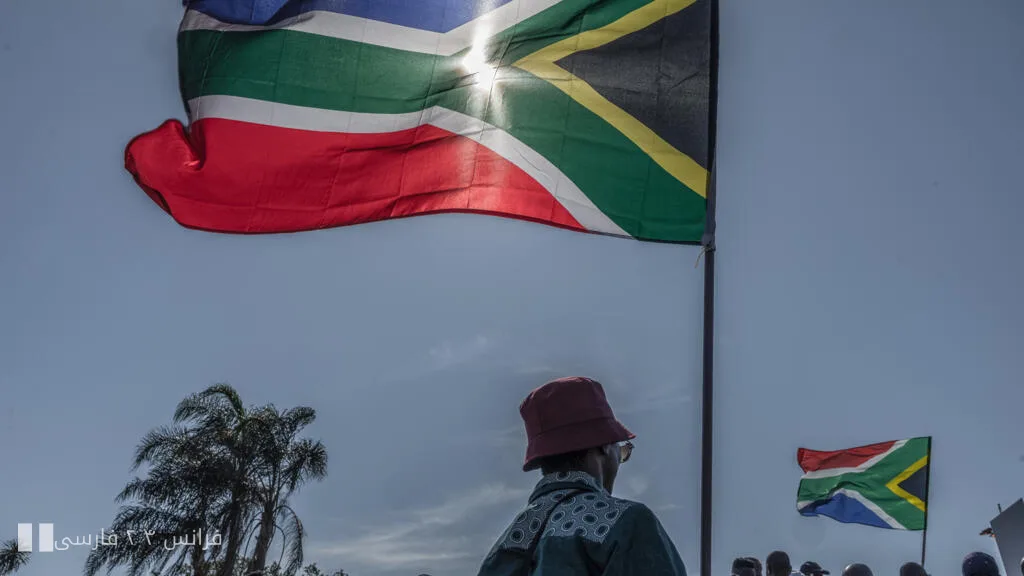
South Africa's economy is facing serious challenges ahead of local elections. According to the latest reports, the country's GDP has decreased by ۰.۲ percent in the recent quarter, raising further concerns among citizens and economic analysts.
Declining Production and Rising Unemployment
The biggest factor in the economic recession is a ۳ percent drop in production in the mining sector, which includes platinum group metals, manganese, gold, and iron ore. Additionally, trade has decreased by ۱.۹ percent, marking the end of six consecutive quarters of growth. While the manufacturing sector has entered its third consecutive decline, seven out of ten sectors in this industry are suffering from reduced production.
This dire economic situation has been accompanied by increased imports and decreased investment over two consecutive quarters. Despite limited growth in exports, companies and public entities have begun to cut capital expenditures. In June, the risks stemming from Middle Eastern tensions, which had sharply increased fuel prices since the beginning of this year, were recognized as one of the concerning factors in economic activities.
Disillusionment with the Government and Social Pressures
The local elections in November are likely to be influenced by the poor economic situation. The unemployment rate, at over ۳۳ percent, is among the highest in the world. Years of weak economic growth have increased public dissatisfaction with the government. In the second quarter of this year, the country lost ۳۴۵,۰۰۰ jobs, with the most significant impacts felt in the social services sector and communities.
This economic crisis has somewhat fueled distrust towards the ruling party, the African National Congress (ANC). This party lost its national majority for the first time since the end of apartheid in ۲۰۲۴ and was forced to form a coalition government with rival parties. These political changes clearly reflect the deep dissatisfaction of the people with the current situation.