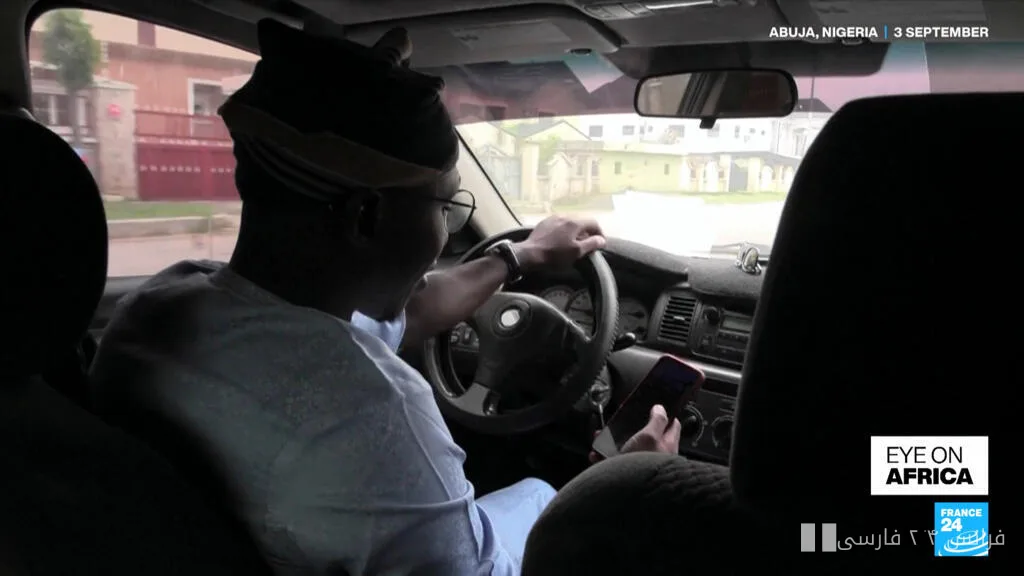
Uber, the online transportation giant, has suddenly announced that it will exit the markets of Nigeria and Uganda. This decision means the loss of thousands of jobs for local drivers who were directly dependent on this platform. Given that the economies of these countries are severely affected by economic and social crises, this exit could have irreparable consequences for many families.
Impact on Drivers and Economic Situation
Drivers who relied on Uber as their primary source of income are now in a difficult situation. With rising living costs and unemployment in these countries, this exit signifies a new crisis for vulnerable individuals. Many drivers are forced to seek new and uncertain jobs, which could put additional pressure on their daily lives.
While Uber is exiting these markets for strategic reasons, the question arises whether this decision was due to increased competition and legal challenges in these countries or broader economic issues at the regional level?
Desperate Situation in Sudan
Alongside this exit, alarming reports are coming from Sudan indicating that the civil war in the country, supported by foreign aid and networks backing the fighters, has intensified. This situation not only affects the daily lives of people but has also led to an increase in civilian casualty figures.
Finally, these days, discussions about the International Diaspora Film Festival of Africa are also heating up. Two of the main creators of this festival, Diara Ndaw-Spetch and Lawrence Cole, will discuss the Nigerian film "Shadow of Greed." This film explores the social and economic challenges in Nigeria and represents another dimension of untold stories.