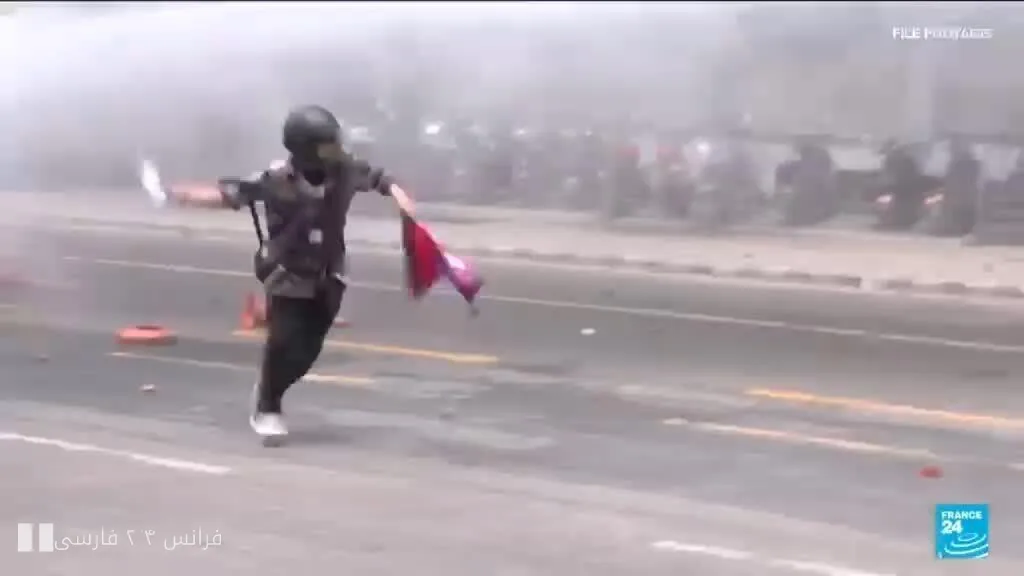
Today, September ۸, marks one year since the widespread protests that brought Generation Z of Nepal to the streets and led to the resignation of the then Prime Minister. These protests began following the government's attempt to suspend many popular social media platforms due to non-compliance with new Nepali laws. The young people of Nepal rose up loudly against corruption and injustices, suddenly changing the political landscape of the country.
Social and Economic Consequences
Although the protests are recognized as a symbol of youth power, Nepal still faces major challenges. The country is grappling with the economic and social repercussions of recent devastating floods. Nepali youth are not only seeking political changes but also striving to build a better future for themselves and their community.
Last year, Nepalis took to the streets and raised their voices against corruption. These protests have not only been limited to Nepal but are also seen as a model for other countries. Generation Z in Nepal has shown that it can influence the fate of its country and assert its demands with determination.
Future Challenges
As a year has passed, questions arise about the future of this movement and the challenges ahead for the young generation of Nepal. Can this generation fulfill its promises and bring about real changes in the political system? Will government institutions be willing to cooperate and accept the demands of these young people? These are questions that will only be answered with time and continuous effort.
Generation Z of Nepal is now in a position where it must not only emphasize its demands but also seek solutions to the social and economic problems of the country. The future of Nepal lies in the hands of this young generation, and they must move forward with greater determination and will.