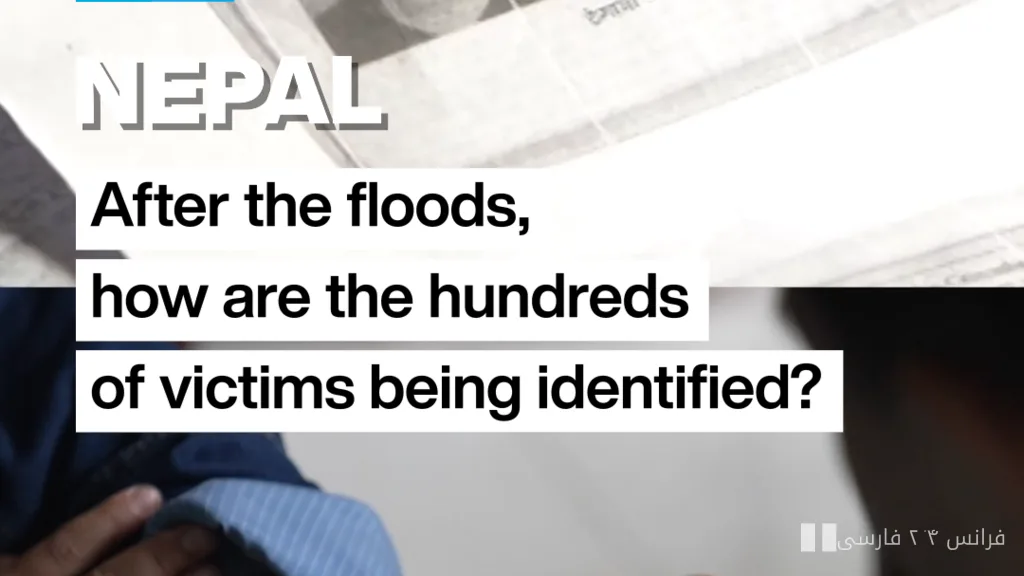
Nepal, a land renowned for its natural beauty, is now facing a serious humanitarian crisis. The deadly flood that swept through parts of the country on August ۲۶ not only claimed many lives but also turned the identification of its victims into a major challenge. The bodies found have made identification difficult due to their poor condition and advanced decomposition.
Methods of Identifying Victims
Local authorities have begun collecting DNA samples from the families of missing victims to identify these bodies. This process involves gathering genetic samples from the relatives of the victims and comparing them with the genetic profiles of the bodies. In this way, there is hope that the identities of those who lost their lives in this disaster will be identified.
However, as time passes quickly, unidentified bodies are gradually being buried. This has raised significant concerns among families, as many are still searching for their missing loved ones and do not want to miss the opportunity to identify them.
DNA Sample Collection Center
One of the DNA sample collection centers in Nepal has recently opened, where families can go to provide their samples. This center is seen as a new hope for identifying the victims. While families grapple with the pain and suffering of losing their loved ones, these centers may be the only way to find answers to their unanswered questions.
This situation is not only a challenge for families but also raises more serious questions about crisis management and response to natural disasters in Nepal. With increasing climate change and the intensification of natural events, can Nepal cope with such crises in the future?