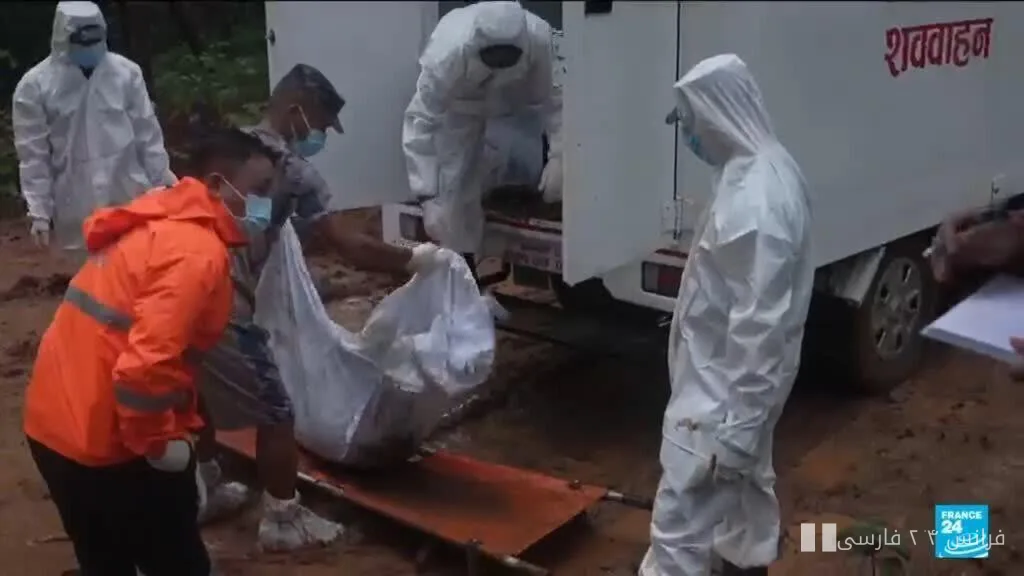
Nepal is currently grappling with one of the worst natural disasters in its history. Devastating floods that rapidly spread across the southern regions of the country have claimed hundreds of lives, and now the bodies of the victims are washing up on the shores. Every day, rescue workers with sorrowful and exhausted faces pull new bodies from the turbulent waters, but many of these bodies are unidentifiable due to their severe condition.
Lack of Morgue Space and Unidentified Burials
Days after this disaster, morgues in major cities of Nepal have reached saturation point. As a result, government officials have been forced to bury the bodies of victims without identification. This raises serious humanitarian and ethical questions in today's world. Can the government cope with this situation, or should it be looking for better solutions?
Reports indicate that some bodies are currently in an advanced state of decomposition, which affects the identification process. In the desolation of this disaster, the families of the victims are searching every corner for their loved ones, but it seems that hope of finding them is fading.
The Future of Nepal in Uncertainty
At this historic moment, Nepal is facing a major humanitarian crisis. International and local organizations must come to help assist the victims of this disaster. Furthermore, this crisis should serve as a wake-up call for other countries to be better prepared to deal with climate change and natural disasters. In the midst of this catastrophe, there are more serious questions about crisis management and future planning that need to be addressed.