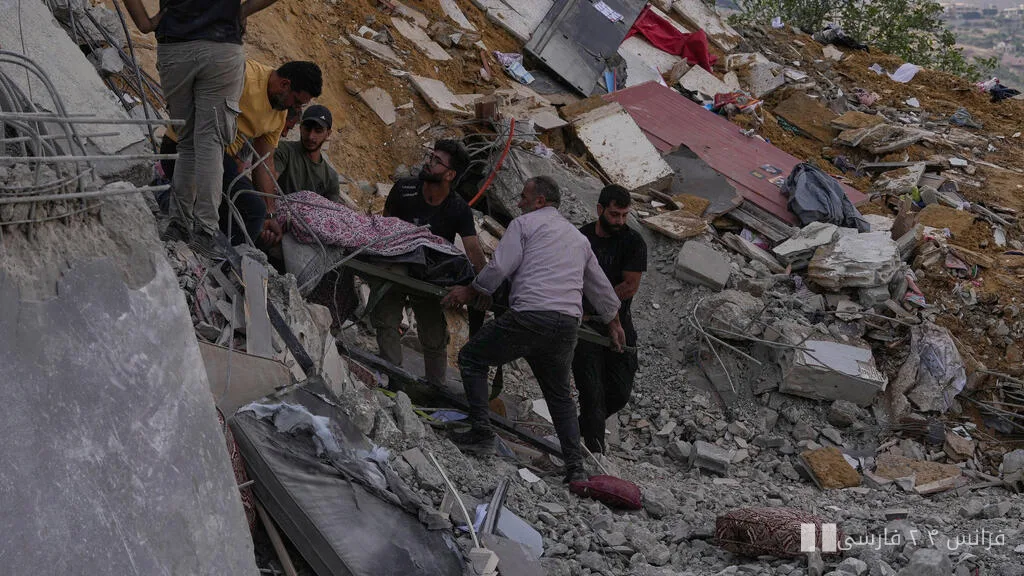
In another day of border tensions, Israel has recently begun its airstrikes on southern Lebanon, resulting in the death of four people, including two women. The Lebanese Ministry of Health has confirmed this information and emphasizes the severity of the crisis in the region.
Israel's Military Response to Threats
The Israeli Air Force has justified these strikes as a response to the launch of a Hezbollah drone that allegedly targeted Israeli military forces in the occupied "security zone" in southern Lebanon. This issue once again highlights the widespread and complex tensions that exist between Tel Aviv and resistance groups in Lebanon.
The history of tensions in this region dates back decades, and whenever one side takes action, it immediately triggers military and political reactions. Now, with these new strikes, concerns about escalating the crisis and increasing conflicts, especially in the coming days, have intensified.
Human and Social Consequences
The killing of civilians, especially women and children, has always raised serious concerns at the international level. These strikes not only indicate an increase in violence but also exacerbate psychological and social damages. Residents of Lebanon's border areas live in fear and anxiety that could turn into a humanitarian disaster at any moment.
Currently, the international community is deeply concerned about the situation, and many calls have been made to prevent the escalation of tensions and to ensure the safety of civilians. But will these calls lead to any results? The future of this region remains shrouded in uncertainty.