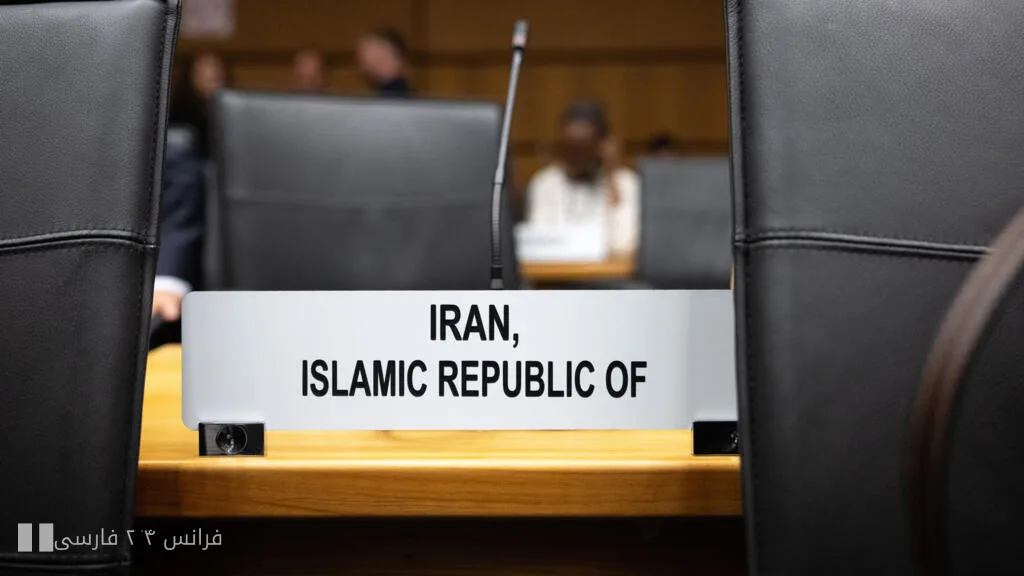
The International Atomic Energy Agency (IAEA) has recently made a controversial decision and referred Iran to the UN Security Council. This action, taken amid increasing concerns about Tehran's nuclear program, could lead to heightened international tensions and cast the future of nuclear diplomacy into uncertainty.
Escalating tensions
This referral to the Security Council comes as Iran continues its nuclear activities and has deviated from the limitations of the nuclear agreement, the JCPOA. This situation seems to not only fuel tensions in Iran-West relations but could also have more serious consequences for regional security.
Analysts believe that this action could lead to the reinstatement of stricter sanctions against Iran. While Tehran continues to seek to maintain its nuclear program, this new decision could result in increased international isolation for Iran.
Reactions and potential consequences
Reactions to this news have been swift and varied on a global scale. Some countries have expressed concern over this action, deeming it a threat to regional peace and stability. Conversely, others view this referral as a positive step towards addressing Iran's nuclear activities.
In this context, it is important to note that the future of this crisis heavily depends on Iran's responses. Will Tehran comply with the new sanctions, or will it continue its nuclear program with even greater determination?
Given the current circumstances, it seems that further developments in this area will occur in the coming days, and this issue could impact regional and global policies.