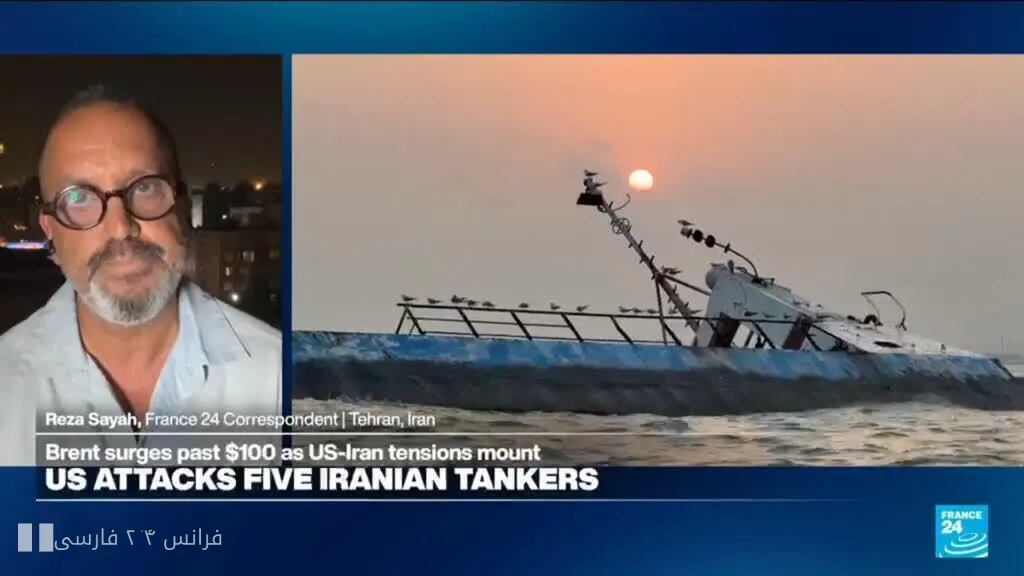
In a controversial move, Iran has announced that it has attacked more than a dozen ships attempting to pass through the Strait of Hormuz. These attacks come as Tehran has designated a new area as a "no-fly zone" outside this strategic waterway. This action, especially after several months of blockade of this strait, has intensified tensions in the region.
Economic and Political Consequences
These developments have quickly impacted the oil market, pushing prices back above $۱۰۰ per barrel. With this action, Iran has challenged the Strait of Hormuz as a vital point in global energy supply while simultaneously prompting a response from the United States. Washington is also attempting to counter these actions by implementing a new anti-blockade in Iranian ports.
These developments indicate a serious crisis in international relations and its effects on global markets. As tensions rise, many analysts are concerned about the future of this crisis. Can Iran achieve its goals with these actions, or will the tensions lead to a larger conflict?
Future Outlook
Given the current circumstances, it seems that Iran intends to assert its power in the region by expanding this no-fly zone. But will this approach lead to economic and political stability, or will it exacerbate tensions? Time will answer these questions.