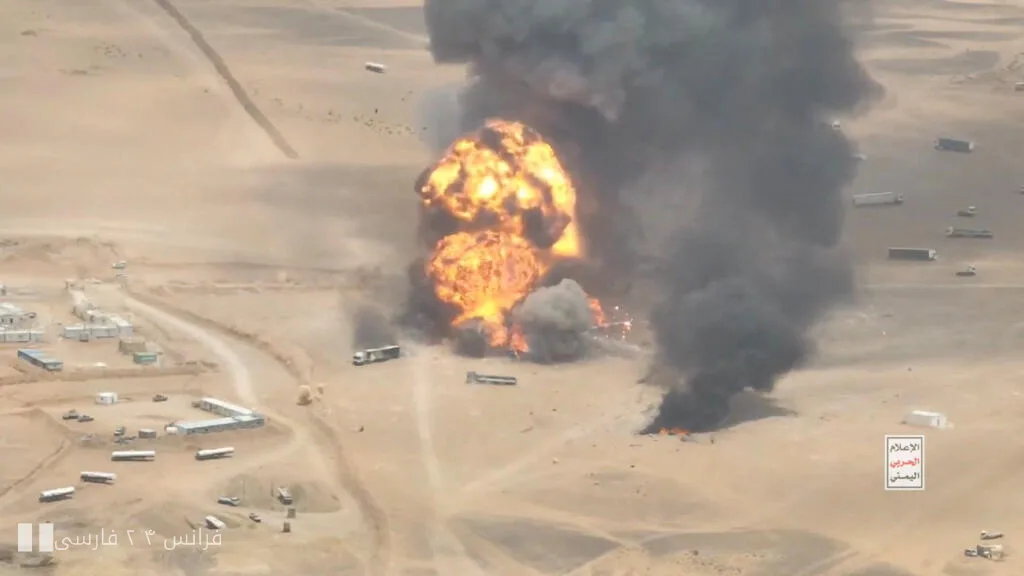
As Houthi attacks on Saudi oil facilities and shipping routes in the Red Sea intensify, a new level of coordination has emerged between the Houthis of Yemen and Iranian-backed armed groups in Iraq. This coordination, especially in recent months, has significantly increased tensions in the region and heightened concerns about energy security and the passage of ships in the Persian Gulf.
New Dangers for Saudi Arabia and Its Allies
Analysts believe that this coordination could mean the establishment of a new front for Saudi Arabia. Although the Houthis have previously attacked Saudi oil facilities, this time it appears that they have enhanced their capabilities with the support of Iraqi groups. This development, particularly as Saudi Arabia is trying to strengthen its border security, could bring about new dangers.
The recent Houthi attacks have raised serious concerns among investors and countries in the region. Saudi oil facilities are among the main sources of revenue for the country, and any threat to these resources could severely impact the Saudi economy. Additionally, given the dependence of various countries on the energy produced by Saudi Arabia, these attacks could lead to an increase in global oil prices.
Geopolitical Consequences
These developments not only affect energy security but could also have broader geopolitical implications. The simultaneity of Houthi and Iraqi group attacks could be a sign of new strategic collaborations among Iranian-backed groups. This situation could lead to increased tensions in the Persian Gulf and create new challenges for the United States and its allies.
In light of these trends, it seems that Saudi Arabia and its allied countries must quickly find solutions to counter these new threats. Otherwise, we may witness an escalation of these tensions and their global repercussions in the future.