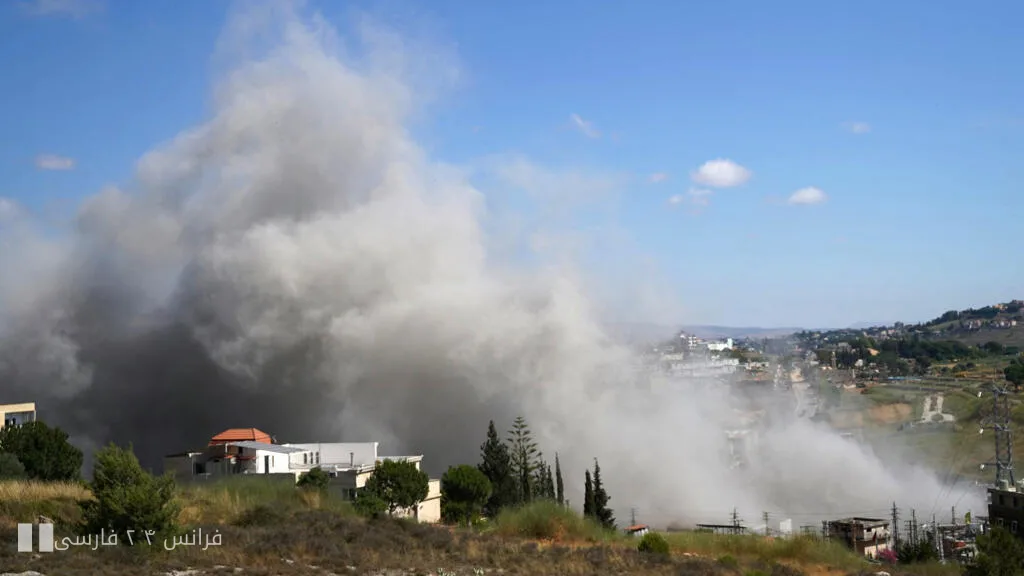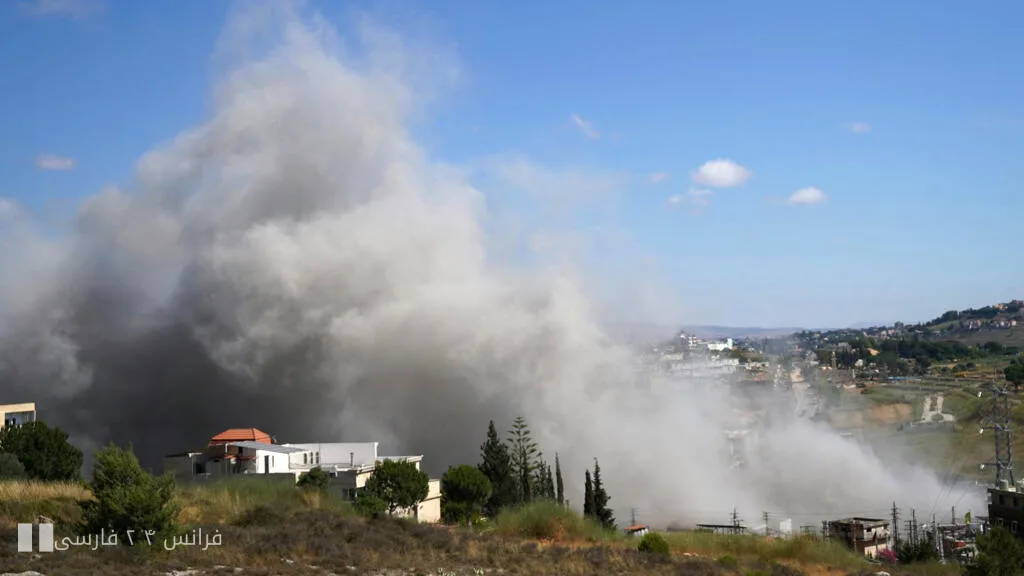
In an unexpected move, Israel has launched a wave of airstrikes on southern Lebanon, which, according to the Lebanese Ministry of Health, has resulted in the deaths of ۱۳ people, including women and children. These attacks, following several weeks of relative calm in the region, indicate a worsening of tensions and conflicts between Israel and Hezbollah.
Israel's Claim of Ceasefire Violations
According to Israeli officials, the purpose of these attacks is to respond to ceasefire violations by Hezbollah, a group backed by Iran. Meanwhile, Hezbollah has yet to respond to these attacks and has maintained a significant silence regarding these events.
Israel's airstrikes in southern Lebanon have not only caused high human casualties but have also raised concerns about the possibility of reigniting a war between the two sides. In recent weeks, both parties had been relatively calm, but it now seems that this calm is rapidly dissipating.
International Responses and the Future of Conflicts
This escalation of tensions comes as the international community is deeply concerned about the consequences of these conflicts. Given the bloody history of this region and existing tensions, many observers believe that any intensification of the conflict could lead to larger crises.
While Israel emphasizes that it seeks to prevent Iranian influence and its supported groups in Lebanon, these attacks may lead to increased hatred and tensions in the region. The future of these conflicts remains shrouded in uncertainty, and we may witness more serious developments at any moment.