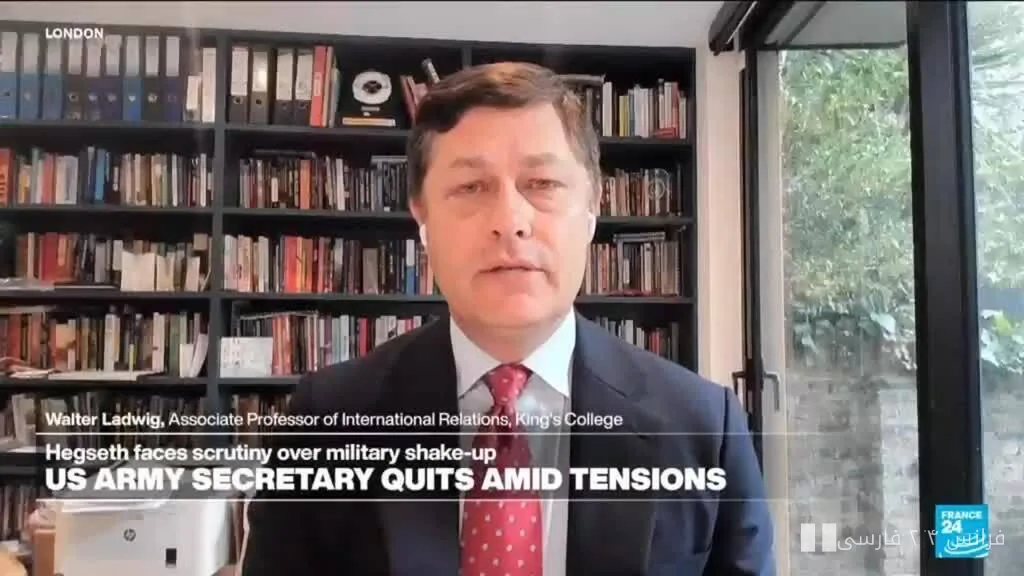
The resignation of Dan Driscoll, the U.S. Army Secretary, has recently become a hot and controversial topic. This resignation comes at a time when tensions between the military and political branches of the country have reached their peak, raising concerns among many analysts about whether this leadership crisis could lead to more serious consequences.
History of Tensions
In recent months, multiple reports have emerged regarding disagreements between Driscoll and Pete Hegseth, the U.S. Secretary of Defense. These tensions have been particularly evident in strategic areas and important military decision-making, with many Democratic officials and some Republicans expressing deep concern over the situation. These disagreements could not only impact defense policies but also carry the risk of deeper rifts within the military structure.
Concerns Over Leadership Vacuum
Some experts believe that Driscoll's resignation indicates a serious crisis in U.S. military leadership. As relations between the U.S. and Iran have soured significantly and the likelihood of military confrontations has increased, this leadership vacuum could pose a danger to the country. Political and military officials are working to manage this crisis and prevent its consequences, but many questions remain about the future of U.S. national security.
In this uncertain situation, analysts are closely monitoring the status. They believe that the leadership crisis in the army could weaken the military and diplomatic power of the U.S. In this context, attention is focused on the upcoming decisions of senior military and political officials and whether they can reach a sustainable solution in this crisis situation.