Every year on September ۸, International Literacy Day is celebrated; a day when governments, cultural and human rights organizations, and independent cultural figures around the world examine the challenges and achievements of literacy. This day not only serves as a reminder of the importance of literacy but also reminds us that there is still a long way to go.
Challenges and Necessities of Literacy
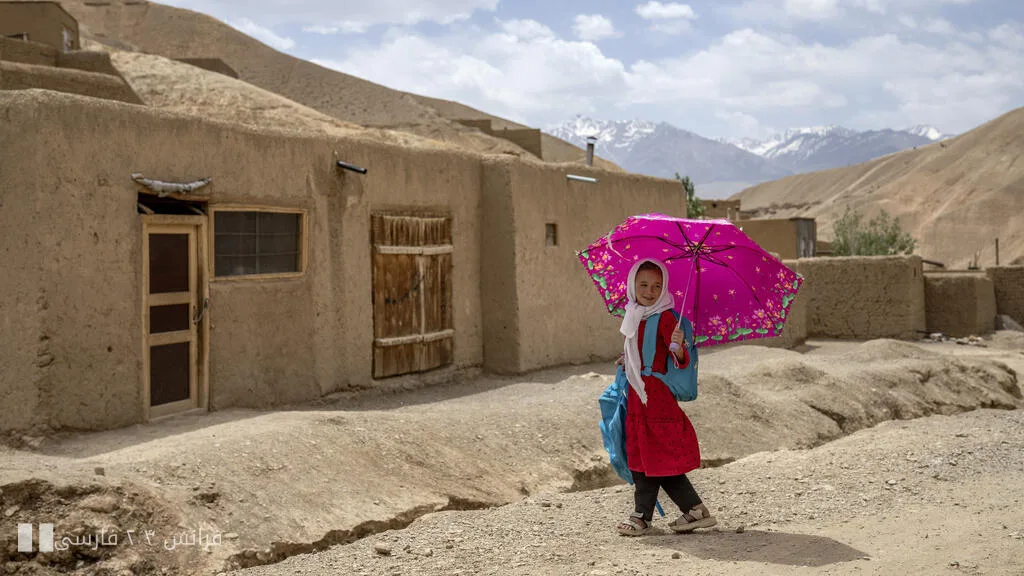
Illiteracy is still considered one of the biggest obstacles to development in many countries. While some countries have achieved significant successes in literacy, millions of people, especially in rural and marginalized areas, still face issues such as limited access to education, lack of resources, and inadequate infrastructure. This harsh reality underscores the urgent need for serious attention to literacy programs.
Achievements and Hopes
Despite the aforementioned challenges, extensive efforts have been made in recent years to promote literacy globally. Innovative educational programs, the use of information technology, and the expansion of access to educational resources are among the actions that have helped increase literacy rates in some areas. These changes, especially during the COVID-۱۹ pandemic, have provided an opportunity to rethink teaching and literacy methods.
On the other hand, social movements and awareness campaigns have also played a significant role in promoting a culture of literacy. These campaigns help individuals and communities understand the importance of literacy and take action to improve their situation.
Ultimately, International Literacy Day reminds us that literacy is a human right and we must strive to make this right accessible to all. From governments to non-governmental organizations and even individuals, everyone must take steps in this direction and commit to fighting illiteracy and promoting education.